What is Zero-Click Search?
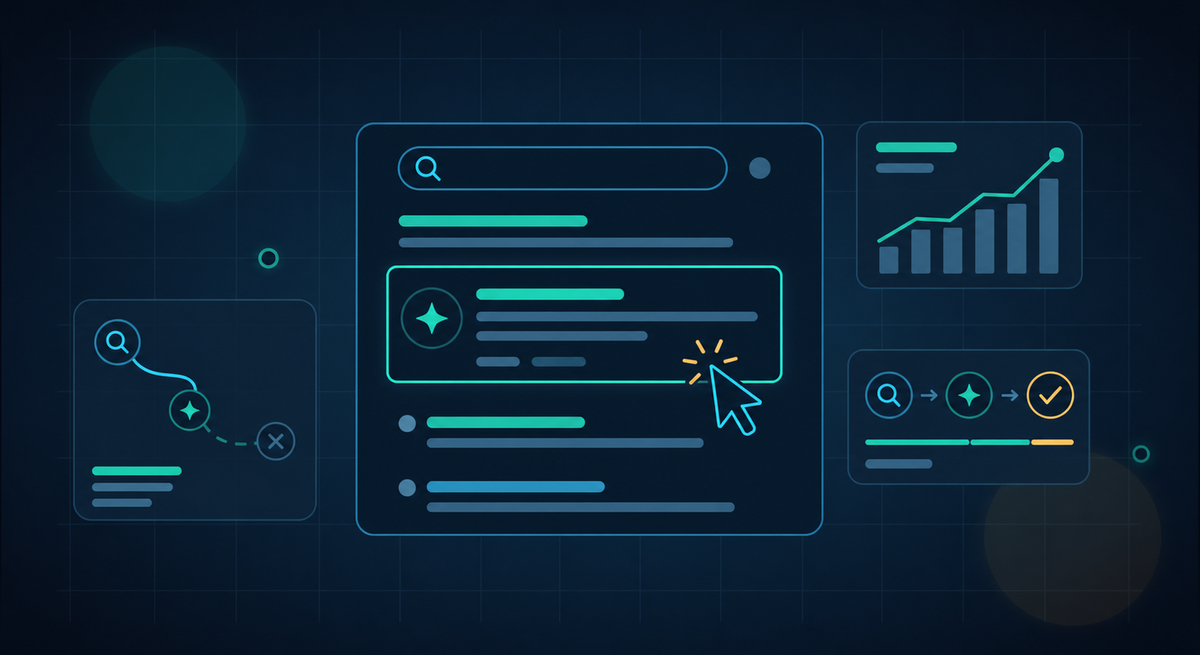
When someone types a question into Google, they don’t always end up on a website. Sometimes Google answers the question right there on the results page, and the user never needs to click anything. That’s a zero-click search.
This happens because Google has built a range of features designed to give users instant answers. Featured snippets pull a short excerpt from a webpage and display it at the top of results. Knowledge panels show structured information about businesses, people, or places on the right-hand side of the screen. AI Overviews (Google’s AI-generated summaries) synthesise answers from multiple sources into a single response. And Google Business Profile (GBP) results display your business name, phone number, hours, reviews, and directions, all without the user ever visiting your website.
For small business owners, understanding these features is the first step to working with them rather than against them.
The Numbers
Here is what the data actually says. Keep it in perspective.
Currently, around 27% of all US searches result in zero clicks. That’s a significant share, but it also means the majority of searches still lead to a website visit. AI Overviews, Google’s newer AI-generated answer feature, do reduce click-through rates on the specific queries they appear for, but they don’t appear on every search. One figure matters most for local businesses. 43% of local queries now trigger AI-generated results, which sounds alarming until you realise that many of those results still prominently feature business listings, phone numbers, and maps.
Read these numbers as context for planning. The landscape is shifting, but it hasn’t collapsed, and smart businesses are already adapting.
Who Is Most Affected?
Not all content is equally vulnerable to zero-click behaviour. The queries most at risk are broad informational and how-to searches, things like ‘how to write a meta description’, ‘what is a balance sheet’, or ‘how do I change a tyre’. Google is very good at answering these directly, and users rarely need to dig deeper.
If your content strategy relies heavily on attracting traffic through these kinds of queries, you may already be feeling the squeeze.
However, service businesses with local intent are considerably less affected. When someone searches ‘plumber in Bristol’ or ‘web design agency near me’, they’re not looking for a quick answer. They’re looking to make a decision. They need to compare providers, check reviews, find a phone number, or get directions. That process almost always involves clicking something, whether it’s your GBP listing, your website, or a directory. The intent behind local searches is fundamentally different, and that works in your favour.
Zero-Click Isn’t All Bad
Reframe it this way. A zero-click search can still be a conversion.
Imagine a potential customer searches for your business name, sees your Google Business Profile, spots your phone number, and calls you directly. They never visited your website, but they’re now on the phone with you. That is a lead. That is a conversion. It just didn’t show up in your website analytics.
GBP calls, requests for directions, messages sent through your profile, and clicks on your business address all represent meaningful business outcomes. Google even tracks many of these interactions and reports them inside your Business Profile dashboard.
The problem is measuring success only through website traffic. If you broaden your definition of a conversion to include phone calls, direction requests, and profile messages, you may find your business is performing better than your Google Analytics suggests. Website visits are one metric. They are not the only metric.
Strategies to Adapt
Here are five practical strategies that work in a zero-click world.
Optimise your Google Business Profile for calls and messages. Make sure your phone number, hours, services, and photos are up to date. Enable messaging if you haven’t already. Respond to reviews. A well-maintained GBP turns zero-click searches into calls and messages, and it costs nothing to run.
Target bottom-funnel keywords where people still click. There’s a big difference between ‘what is web design’ (informational, zero-click risk) and ‘web design agency near me’ (commercial intent, high click probability). Focus your content and SEO efforts on keywords where the user is ready to act, not just learn.
Structure content to earn featured snippet placement. If Google is going to pull an answer from somewhere, it might as well be from you. Write concise definitions at the start of articles, use numbered lists for step-by-step processes, and include comparison tables where relevant. Earning the snippet means your brand name and website still appear prominently, even in a zero-click result.
Invest in brand recognition. When people search for you by name, Google typically shows your website, your GBP, and your social profiles, and users almost always click through. Brand searches are among the most click-rich queries that exist. The more people know your name, the more protected you are from zero-click erosion on generic terms.
Use Google Search Console to track impressions vs clicks. Search Console shows you exactly which queries are generating impressions (your content appearing in results) without generating clicks. This is your zero-click map. Use it to identify which queries are worth targeting for featured snippets, and which ones you might deprioritise in favour of higher-intent alternatives.
What NOT to Do
Don’t panic. And please, don’t abandon your content marketing.
It can be tempting, when you hear statistics about zero-click searches, to conclude that blogging is pointless and content is dead. That conclusion is wrong, and acting on it would be a mistake.
Consistent, quality content still builds authority in your industry. It builds trust with potential customers who encounter your brand multiple times before making a decision. It signals to Google that your website is a credible, active source of information, which influences your rankings across all your pages, not just the ones targeting informational queries. And it gives you something to share on social media, in email newsletters, and in sales conversations.
Some of your blog posts may go zero-click. Others will drive traffic, generate leads, and convert readers into customers. The answer is to be strategic about what you create and how you measure success.
The businesses that will thrive in this environment are the ones that adapt their metrics, diversify their visibility, and keep showing up consistently. That’s not a complicated strategy. It’s just good business.
I work with small businesses to tune their pages, profiles, and measurement for the searches that still end in a click. Send the project brief with your current search visibility and the enquiries you want more of.