I design, build, improve, and maintain fast, clear websites for small businesses. My work covers web design, development, SEO, SEM, hosting, and ongoing website care.
89 articles
Video can build trust faster than any amount of copy, or it can wreck your page speed and annoy visitors. The difference comes down to a few practical decisions.
Every website sends some visitors to a page that does not exist. What happens next determines whether they leave or carry on.
AI chat widgets are being sold to every small business right now. Some genuinely help, many just add friction. Here is how to tell the difference before you pay for one.
Serving several suburbs or cities makes local SEO considerably harder. Here is how to do it properly, and why the usual shortcut backfires.
Google Analytics is free and built for marketing teams, which makes it more complicated than most small businesses need. Lighter, privacy-first alternatives often answer the real questions better.
Google's AI Mode now has over a billion monthly users and is changing how people search. Here is what it actually means for a small business website, without the hype.
llms.txt is a proposed file that tells AI systems what matters on your site. It is widely discussed, lightly adopted, and currently unsupported by the major AI providers. Here is an honest assessment.
Duplicate content confuses search engines about which version of a page to rank. It is rarely a penalty, but it quietly splits your ranking strength. Here is how to find and fix it.
Someone reached your contact form and then left without submitting. That is your most expensive kind of lost lead. Here is why it happens and how to fix it.
Uptime is the percentage of time your website is actually reachable. The difference between 99 percent and 99.9 percent sounds trivial and is anything but.
A style guide is a one-page reference that keeps your website, social posts, and documents looking like they belong to the same business. Here is how to build one.
People do not read websites the way they read books. They scan. Formatting your content for how people actually read keeps them on the page longer and improves conversions.
Alt text describes an image to people who cannot see it and to search engines that cannot interpret it. It takes seconds to write and benefits accessibility, SEO, and user experience.
The robots.txt file tells search engines which parts of your website they may crawl. Get it wrong and you can accidentally hide your entire site from Google.
A canonical tag tells Google which version of a page is the original when several URLs show similar content. It quietly prevents a lot of avoidable SEO problems.
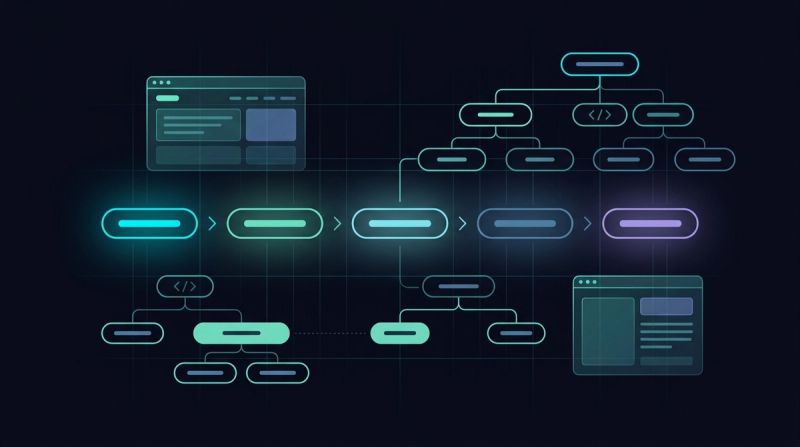
Most website projects run over budget because the planning was skipped. An afternoon of structured thinking upfront saves weeks of rework later.
A website redesign can wipe out years of accumulated search rankings if handled badly. Here is the checklist that protects your traffic before, during, and after launch.
If your website collects any personal information (including contact form submissions, email signups, or analytics data), you almost certainly need a privacy policy. Here is what to know and what to include.
Writing a blog post and having it rank in Google are two different things. Here is the process for creating content that search engines and readers both value.
In GA4, bounce rate has been redefined. Understanding what it means now, and how to improve your engagement rate, is essential for making your website work harder.
Your domain name is your address on the internet. Choosing the right one from the start saves headaches later. Here is what to consider before you register.
Breadcrumbs are a simple navigation element that help visitors and search engines understand where they are on your website. Here is what they are, why they matter, and how to add them.
A bad review does not have to damage your business. How you respond matters far more than the review itself. Here is how to handle negative feedback professionally and turn it to your advantage.
Content marketing means creating useful, relevant content that attracts and builds trust with your target audience. Here is what it involves and how small businesses can use it effectively without a big team or budget.
A well-structured FAQ page reduces friction, pre-qualifies leads, and helps your website appear in AI search results. Here is how to build one that actually works.
Google Trends is a free tool that shows how search interest in any topic changes over time. Here is how to use it to find content ideas, spot seasonal patterns, and compare keywords before you write.
Using a free Gmail or Hotmail address for your business makes you look less professional and less trustworthy. Here is how to set up a proper domain-based business email and why it matters.
Your CTA button is the last thing standing between a visitor and a conversion. Most small business websites get them wrong. Here is how to get them right.
E-E-A-T stands for Experience, Expertise, Authoritativeness, and Trustworthiness. It is how Google evaluates the credibility of your content and website, and it directly affects your rankings.
Unoptimized images are the single most common cause of slow websites. Here is how to compress, format, and load images correctly for fast performance and better SEO.
Testimonials are one of the most powerful trust signals a small business website can have. But most businesses use them poorly. Here is how to do it right.
A 301 redirect permanently sends visitors and search engines from one URL to another. Used correctly, it protects your SEO rankings. Used incorrectly, it causes lasting damage.
Social media is easy to start and hard to control. Your website is yours permanently. Here is an honest breakdown of where to put your energy as a small business.
Backlinks (links from other websites pointing to yours) are one of the strongest ranking signals in Google's algorithm. Here is how small businesses can build them without tricks or paid schemes.
Not every website problem requires a full redesign. Here is how to tell the difference between a refresh and a rebuild, and which your business actually needs.
Web accessibility is now a legal expectation as well as good practice. ADA Title III claims over inaccessible websites keep rising, and small businesses are not exempt. This guide explains the risk in plain English and the practical WCAG 2.2 steps that reduce it.
Your About page is often the second most-visited page on your website. Most small businesses waste it. Here is how to write one that builds trust and moves visitors toward a decision.
The structure of your URLs affects how search engines and users interpret your content. Here is what a good URL looks like and how to get yours right.
A sitemap tells search engines where to find all the pages on your website. It is one of the easiest SEO wins available, and most small businesses skip it.
A website audit does not have to be complicated or expensive. Here is a practical DIY checklist you can work through in an afternoon to find what is holding your site back.
Google rolls out core algorithm updates several times a year, and they can shift search rankings sharply. Here is what they are, what Google's updated 2026 guidance on AI-generated and scaled content actually says, and exactly what to do if your traffic drops.
Visitors who reach your contact page have high intent. Make it easy for them, and make sure it is working for you, not against you.
Heatmaps show you exactly where visitors click, scroll, and stop on your website, giving you data to make smarter design decisions. Here is how to use them.
Technical SEO is about making your website easy for search engines to crawl, understand, and index. Here's what it covers and what small businesses actually need to focus on.
Internal links connect your pages to each other and help both visitors and search engines navigate your site. Here is how to use them effectively without overcomplicating it.
AI website builders can now generate a complete website in minutes. But are they the right choice for your small business? Here's an honest comparison.
Your homepage is the most important page on your website. Here's how to write it so visitors understand what you do, trust you immediately, and take action.
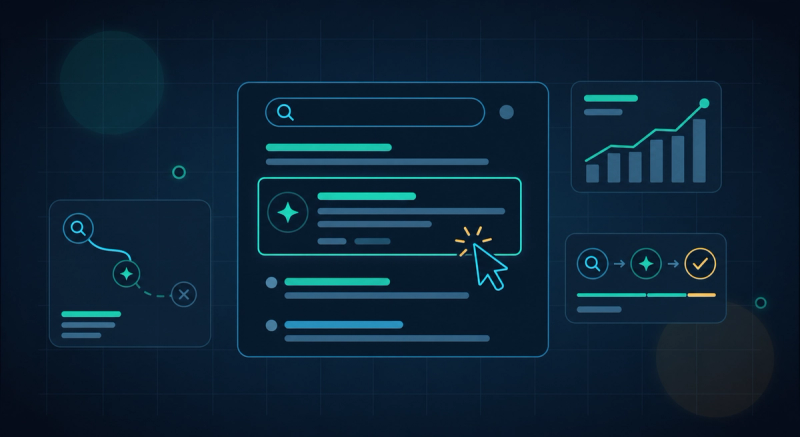
27% of US searches now end without anyone clicking a link. Here's what that means for your website, and what to do about it.
A slow WordPress site costs you visitors, rankings, and revenue. Here's a practical checklist for making it faster, with no developer required for most of it.
Visitors decide whether to trust your website within seconds. These are the trust signals that matter most, and where to put them.
A CDN delivers your website content from servers closer to your visitors, making your site faster everywhere. Here's what it is, how it works, and whether you need one.
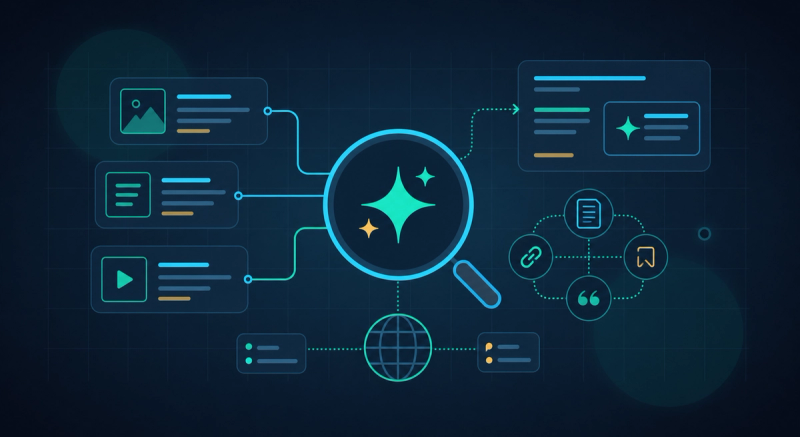
GEO is the practice of optimizing your content to appear in AI-generated search results. Here's what it means for small businesses, and how to get started without overcomplicating it.
Google's AI Overviews and AI Mode now reach more than a billion people a month, and the Search box itself is being rebuilt around AI. Here's what that means for small businesses, and how to adapt.
Your website and your email list should work together, but most small business sites treat them as separate. Here's how to connect them and start building an audience you own.
Schema markup helps search engines and AI systems understand your business. Here's a plain-English guide to what it is and how to add it without touching code.
The overwhelming majority of consumers read reviews before choosing a local business. Here is a practical guide to getting more Google reviews, and making them work harder for your business.
Google Search Console shows you exactly how your website performs in Google Search, for free. Here's how to set it up and what to actually look at.
Expressive interfaces, AI-assisted design tooling, and purposeful micro-interactions are everywhere in 2026, but clarity, speed, and trust still decide whether a small business site converts. Here are the trends that actually matter.
Your service pages are your most important sales pages. Here's how to write them so they rank in search results and turn visitors into enquiries.
Ditch reCAPTCHA and secure your WordPress forms with Cloudflare Turnstile. A privacy-first, frictionless alternative that integrates natively with Contact Form 7.
Keyword research is the foundation of any effective SEO strategy. This step-by-step guide shows small business owners how to find the right keywords, understand search intent, and use that knowledge to attract more of the right visitors.
Good UX design is about making things work, not just making them look pretty. These core UX principles will help your small business website guide visitors toward the actions that matter most.
Your Google Business Profile is often the first thing people see when they search for your business. This complete guide shows you how to set it up correctly, optimize every section, and use it to attract more local customers.
Most small business websites lose visitors not because of bad design, but because of unclear copy. This guide shows you how to write website copy that speaks directly to your audience, builds trust, and moves people to take action.
Headless CMS platforms are changing how websites are built and managed. But are they right for your small business? This guide explains what a headless CMS is, how it compares to traditional platforms, and when it makes sense to make the switch.
Your hosting provider is the foundation your website sits on, and the wrong choice can mean slow load times, unexpected downtime, and security headaches. Here is what to look for when choosing web hosting for your small business.
Search engine marketing in 2026 is powered by AI, from Performance Max campaigns that serve ads across all Google channels automatically, to Smart Bidding strategies and Gemini AI tools that help small businesses create better ads with less effort. This guide explains what SEM is, how it works today, and whether paid search is right for your business.
A landing page has one job: convert visitors into leads or customers. This guide breaks down the anatomy of a high-converting landing page, the design principles that drive action, and the common mistakes that kill conversions.
Google's Core Web Vitals measure real-world user experience, and after the August 2026 core update, they matter more than ever. This guide explains LCP, INP, and CLS, how to check your scores, and what to fix to stay competitive.
Hiring a web designer for the first time can feel overwhelming. This guide walks you through the entire process (from writing a brief to reviewing the final build) so you know exactly what to expect and how to get the best result.
Color shapes snap judgments, and it is one of the most underestimated tools in a web designer's toolkit. The hues you choose don't just make a site look attractive; they trigger emotional responses, guide attention, build trust, and ultimately drive user decisions. In this post, I cover the science of color psychology, how leading brands use color strategically, and how to build an accessible, intentional color palette for your next project.
Your website is your most important business asset, but only if it works. Discover why website maintenance is a non-negotiable investment, what it actually involves, and how to choose the right approach before a small oversight becomes a costly crisis.
Your website is often the first impression your business makes, and first impressions are expensive to get wrong. Discover how professional web design directly impacts trust, conversions, and revenue, and learn how to calculate whether the investment pays for itself.
In 2026, building a website means choosing between three paths: traditional DIY builders, AI-powered site generators, or professional development. This guide breaks down the real costs, trade-offs, and decision factors so you can find the right fit for your business.
Web accessibility is a commitment to making the internet usable for everyone, regardless of ability. This guide breaks down what accessibility means, how WCAG guidelines work, the most common pitfalls developers face, and the quick wins you can implement today to make your website more inclusive.
Great typography is the backbone of effective web design. From choosing the right typefaces to mastering line height and font pairing, this guide covers everything you need to know to make your text beautiful, readable, and performant on any screen.
Updated for 2026: compare WordPress, Webflow, Sanity, Shopify, Wix, and more, with new coverage of AI-powered features, full-site editing, and a practical decision framework for small business owners choosing a CMS today.
New to Google Analytics 4? This beginner-friendly guide covers everything you need to know, from setup to the key metrics that matter, plus 2026 essentials like AI-powered insights, predictive audiences, and Google Search Console integration. GA4 is the standard now. Here's how to make it work for your business.
Progressive Web Apps are a proven, present-day technology, not a future promise. Businesses of every size use PWAs to deliver app-like speed, offline capability, push notifications, and home screen installability without the cost or friction of a native app.
In 2026, AI Overviews and zero-click searches are reshaping SEO. Learn how to write dual-purpose meta descriptions that earn AI citations AND compel users to click through.
With more than 60% of global web traffic now coming from mobile devices, designing for desktop first is a relic of the past. Mobile-first design shapes user experience, search rankings, and conversion rates.
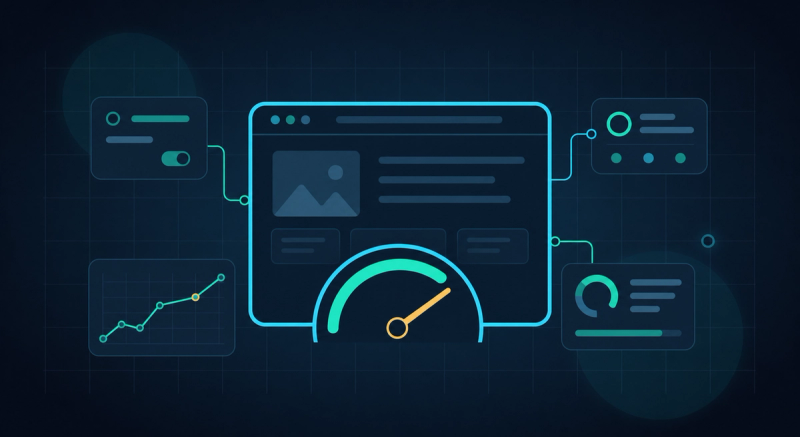
Website speed is a make-or-break factor in 2026. With mobile devices driving roughly 70% of global traffic, slow pages cost you rankings, revenue, and trust. Google's Core Web Vitals (including the updated INP metric) now influence search visibility, and slow pages are increasingly overlooked by Google's AI Overviews. Here's what you need to know and do.
Your website is often the first impression a potential customer has of your business, and first impressions matter. If your site is holding you back rather than driving growth, it may be time for a redesign. Here are seven unmistakable signs that your website needs a refresh, plus practical advice on how to approach the project.
Cyber threats are evolving fast, and small businesses are increasingly in the crosshairs. This guide covers the essential website security practices every business owner needs to understand, from SSL certificates and strong passwords to backups and choosing a hosting provider you can trust.
Local SEO in 2026 means more than ranking on Google. It also means showing up in AI Overviews, earning zero-click conversions, and staying ahead of the March 2026 core update. This guide covers everything small businesses need: GBP optimization, reviews, citations, and the new rules of local visibility.
Ten SEO mistakes are quietly killing your rankings in 2026, from keyword stuffing to ignoring AI search optimization (GEO) and zero-click search. Discover what's hurting your site and exactly how to fix it.
Website security is an ongoing responsibility, not a one-time setup. Here are the essential best practices every website owner should have in place.
Responsive web design ensures your website looks and works well on every device. Here is why it matters more than ever and how to get it right.
Web development is the process of building and maintaining websites. Here's a clear breakdown of what it involves, the core technologies, and how to get started.