Your About page is often the second most-visited page on your website. Most small businesses waste it. Here is how to write one that builds trust and moves visitors toward a decision.
The structure of your URLs affects how search engines and users interpret your content. Here is what a good URL looks like and how to get yours right.
A sitemap tells search engines where to find all the pages on your website. It is one of the easiest SEO wins available, and most small businesses skip it.
A website audit does not have to be complicated or expensive. Here is a practical DIY checklist you can work through in an afternoon to find what is holding your site back.
Google rolls out core algorithm updates several times a year, and they can shift search rankings sharply. Here is what they are, what Google's updated 2026 guidance on AI-generated and scaled content actually says, and exactly what to do if your traffic drops.
Visitors who reach your contact page have high intent. Make it easy for them, and make sure it is working for you, not against you.
Heatmaps show you exactly where visitors click, scroll, and stop on your website, giving you data to make smarter design decisions. Here is how to use them.
Technical SEO is about making your website easy for search engines to crawl, understand, and index. Here's what it covers and what small businesses actually need to focus on.
Internal links connect your pages to each other and help both visitors and search engines navigate your site. Here is how to use them effectively without overcomplicating it.
AI website builders can now generate a complete website in minutes. But are they the right choice for your small business? Here's an honest comparison.
Your homepage is the most important page on your website. Here's how to write it so visitors understand what you do, trust you immediately, and take action.
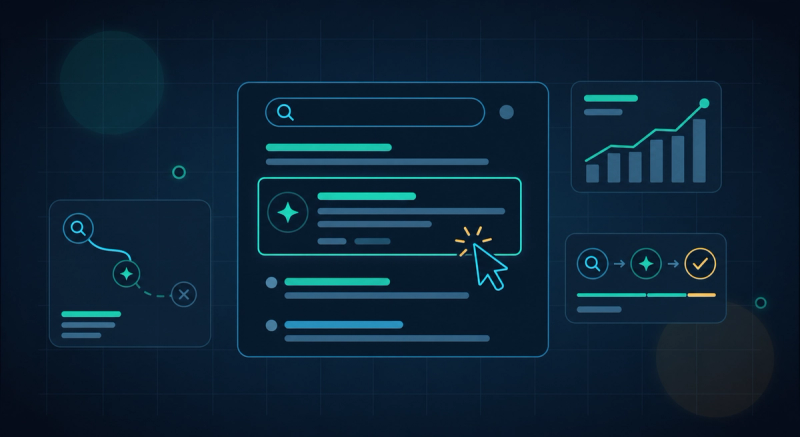
27% of US searches now end without anyone clicking a link. Here's what that means for your website, and what to do about it.
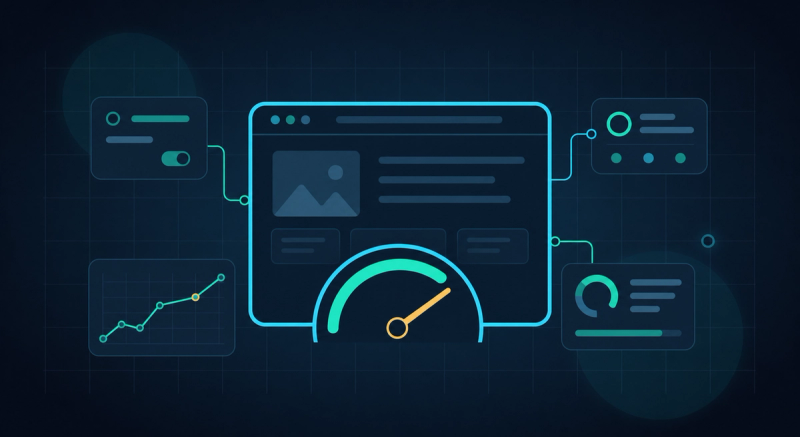
A slow WordPress site costs you visitors, rankings, and revenue. Here's a practical checklist for making it faster, with no developer required for most of it.
Visitors decide whether to trust your website within seconds. These are the trust signals that matter most, and where to put them.
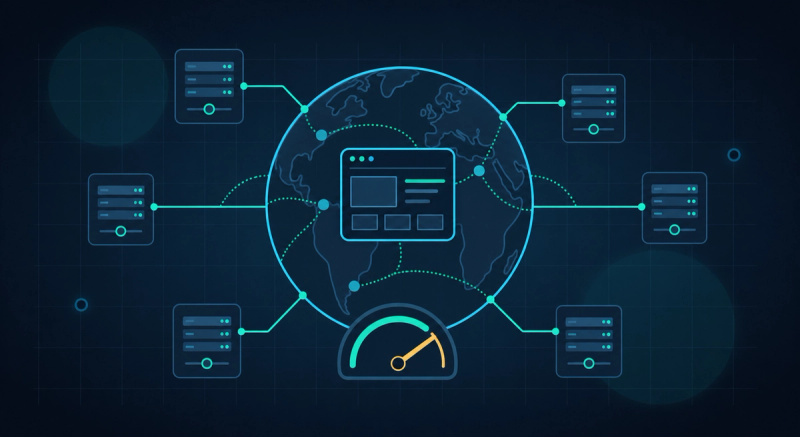
A CDN delivers your website content from servers closer to your visitors, making your site faster everywhere. Here's what it is, how it works, and whether you need one.
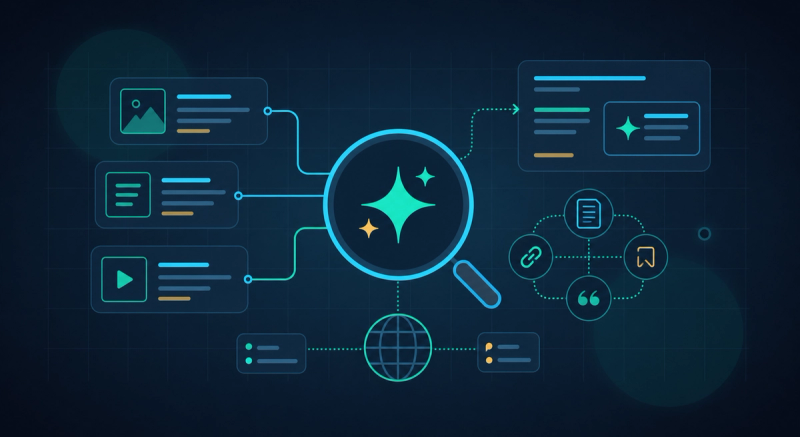
GEO is the practice of optimizing your content to appear in AI-generated search results. Here's what it means for small businesses, and how to get started without overcomplicating it.
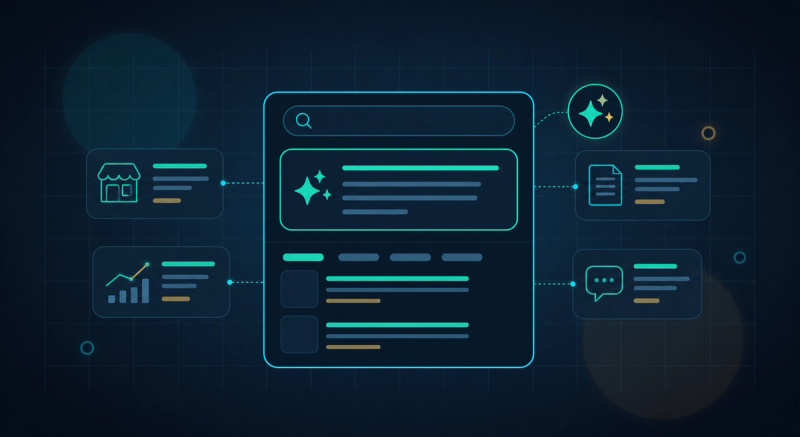
Google's AI Overviews and AI Mode now reach more than a billion people a month, and the Search box itself is being rebuilt around AI. Here's what that means for small businesses, and how to adapt.
Your website and your email list should work together, but most small business sites treat them as separate. Here's how to connect them and start building an audience you own.
Share the project details in writing and I will reply by email with the next steps.